
This week in my garden has been all about slowing down and paying attention – especially when it comes to the drying process.
After last week’s harvest, I spent more time focusing on how I prepare my vegetables for drying. It may sound simple, but I’m learning that the smallest details make the biggest difference. How I wash, cut and even space everything out before drying, all of it affects the final product.
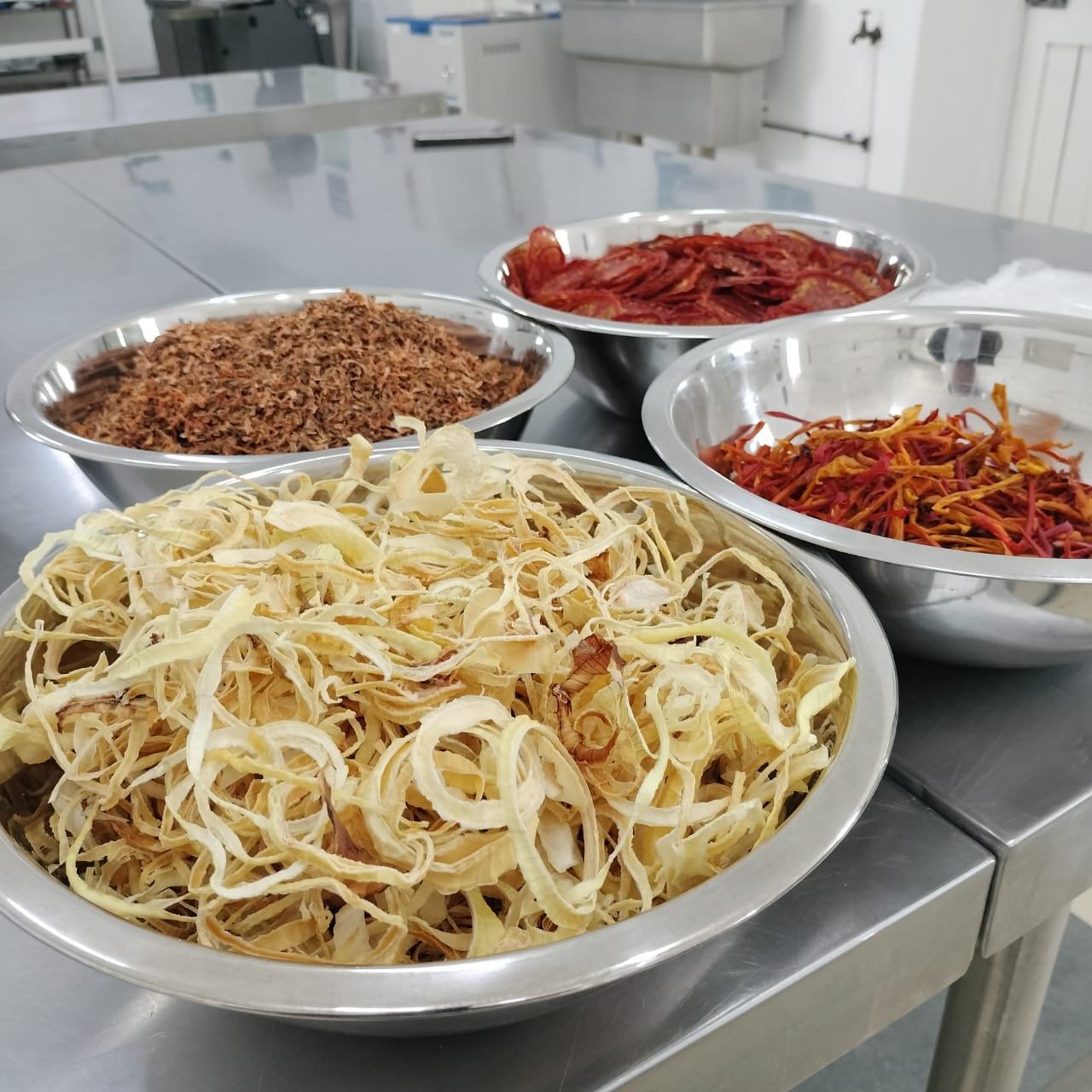
My onions is still one of my stars. This week, I made sure to cut them evenly and not overcrowd them during drying. I’ve learned the hard way that rushing this part leads to uneven results -some pieces over dry while others still hold moisture.
Patience really is key here.
One thing I’ve started doing differently is checking my batches more often. Instead of leaving everything and hoping for the best, I’m becoming more hands-on. I turn the leaves, feel the texture and make sure they’re drying evenly. It’s a small shift, but it’s already improving my results.
There was also a moment this week where things didn’t go as planned. One of my batches didn’t dry properly. That’s why I always let it sit on the counter until completely cooled, then test it before continuing with the grinding process. Fortunately, it’s usually a quick fix. If not completely dry, back in the dryer it goes.
You can, of course, dry your herbs and vegetables at home without a dehydrator.
Air-drying is best for herbs like rosemary, thyme and sage.
Oven drying is best for large batches. If you only need to dehydrate food occasionally, an oven is acceptable, although it is less efficient and may take 2-3 hours longer.
Microwaving and air frying is the fastest method.
I prefer using my dehydrator for its energy efficiency, superior quality & texture as well as for convenience & capacity.
Tips for success: Avoid direct sunlight if air drying, Use proper storage (airtight in a cool dark place).
I love seeing the final result – a jar filled with something I grew myself. Knowing that these powders will last longer and still carry the goodness of fresh vegetables makes all the effort worth it.
This journey is teaching me more than just gardening or preserving food. Its teaching me patience, consistency and care.
In an upcoming post, I’ll share one of my favourite simple ways to use vegetable powders in everyday cooking – something quick, practical and perfect for busy days.
Until then, I’d love to hear from you – what’s something you’ve had to learn the hard way but it made you feel better in the end?
Leave a Reply